
A Surprise Attack At Scapa Flow
Thought to be an impregnable naval base, a German sneak attack sent shockwaves through the British Navy.

Scapa Flow, located in the Orkney Islands of Scotland, served as the primary base for the British Royal Navy's Home Fleet during World War II. Its strategic location and natural harbor made it an ideal anchorage for the British fleet.
It was far from German airfields which provided it with protection from air assaults. Yet it was proximal enough to allow easy access to the North Sea. Britain’s use of Scapa Flow as a naval base played a crucial role in safeguarding their maritime interests.
It was crucial in helping to gain and maintain control over the North Atlantic. Home to battleships, aircraft carriers, and cruisers, Scapa Flow helped support the backbone of the British naval forces.
The North Atlantic was also home to another formidable force. The German U-boat. Admiral Karl Donitz’s strategy to use his U-boats to wreak havoc on Allied naval operations was a huge success.
The Assault on Scapa Flow
In October 1939, just a month after the outbreak of the war, the Germans went to deliver a blow to the British Navy. And they set their sights on Scapa Flow. It would be a daring, audacious attack.
On the 14th of October, U-47 under the command of Captain Günther Prien approached Scapa Flow. Under cover of darkness, U-47 maneuvered past the base’s blockships and anti-submarine nets undetected.
The plan was to get in, hit a target, and sneak back out. Once inside, U-47 set to work. They fired a torpedo that struck the HMS Royal Oak, a World War I-era battleship.
Scoring a direct hit, Captain Prien ordered the submarine to turn and make its escape. As they rotated in the harbor, they realized the surface vessels appeared dormant. Sensing no threat, they deployed a second torpedo at the Royal Oak.
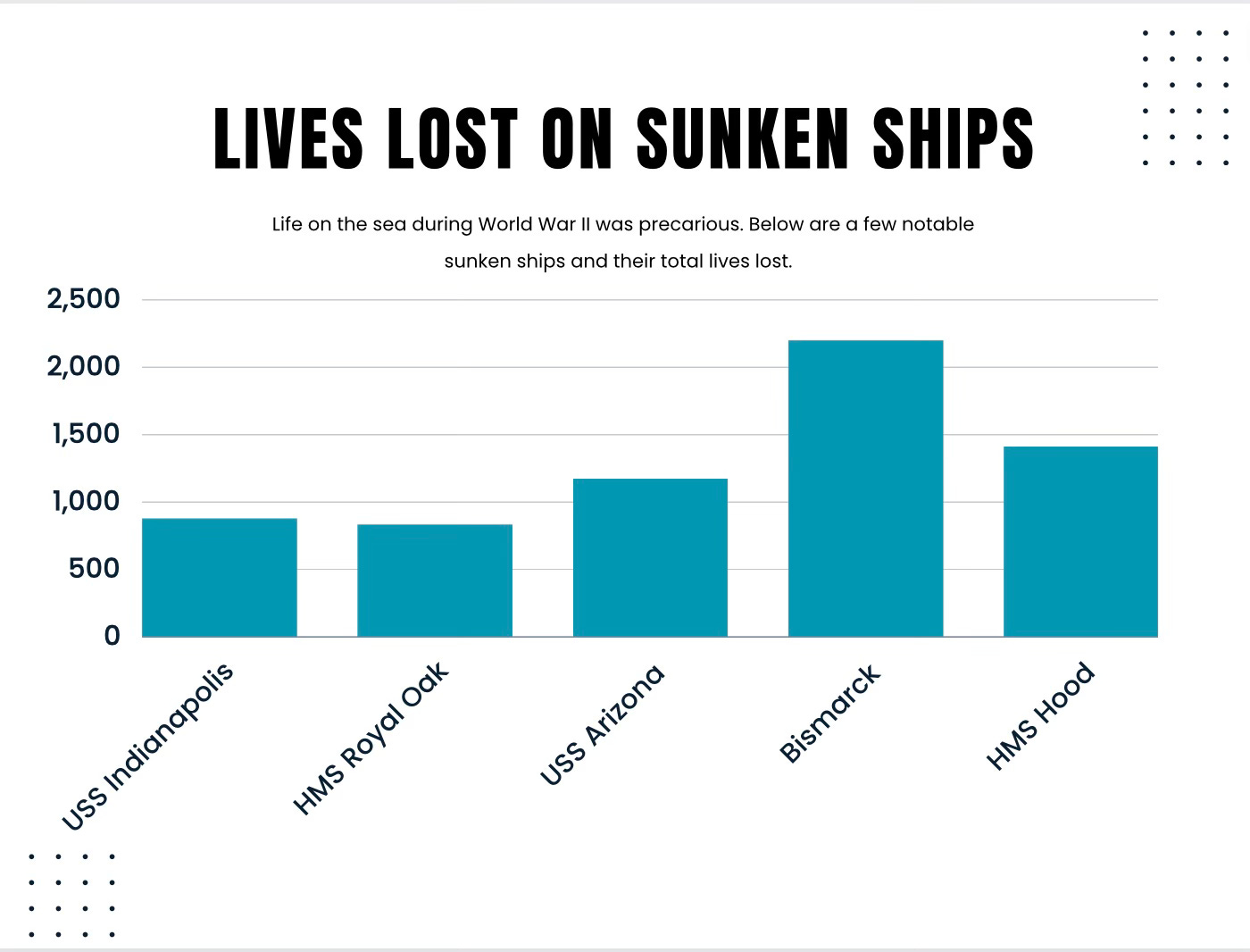
The second blow ripped a 30-foot hole in the British ship. Flooding happened quickly and the ship capsized. Of the 1,400 men onboard, 833 were lost. Only then did U-47 sneak back out into the night, leaving British seamen in Scapa Flow in a state of shock. The attack marked the first successful penetration of the heavily fortified base by a U-boat.
One More For Good Measure
The German attack on Scapa Flow was not quite over. Three days following U-47’s successful ambush, the German Lutwaffe surprised the British all over again.
Four Junkers Ju 88 bombers raided Scapa Flow on the 17th of October. Thought to be far enough away from German airfields, the German forces delivered a second blow. The HMS Iron Duke was damaged and the British sustained another 26 casualties.
The successful attack on Scapa Flow sent shockwaves through the British naval command. It exposed vulnerabilities in the defenses of the supposedly impregnable base and shattered the sense of invincibility that surrounded the Royal Navy.
In response to the attack, the British implemented a series of measures to strengthen the defenses at Scapa Flow. Anti-submarine nets were reinforced, additional patrol vessels were deployed, and underwater listening devices were installed to detect and counter U-boat threats.
Winston Churchill ordered construction of causeways to block eastern approaches. Built by Italian prisoners of war, the causeways were dubbed “Churchill Barriers.” They now provide road access from Mainland to Burray and South Ronaldsay.
Aftermath of Scapa Flow
The German U-boat attacks on Scapa Flow left an indelible mark on the British Navy and the conduct of World War II. They demonstrated the potency and effectiveness of German submarine warfare and forced the British to adapt their naval strategies and defenses.
Ultimately, the German U-boat attacks on Scapa Flow contributed to a protracted and bitter struggle between the Allies and the Axis powers in the Battle of the Atlantic.
As for the wreckage of the Royal Oak, it is now a protected war grave. In December of 1939, just two months after the attack, Scapa Flow was called “the single most extraordinary feat of the war so far.” If only they knew what the next five years would bring.
History for the Hurried:
July 6, 1885: Louis Pasteur administers the first successful anti-rabies inoculation to a boy who had been bitten by an infected dog.
July 8, 1776: The first public reading of the Declaration of Independence occurred as Colonel John Nixon read it to an assembled crowd in Philadelphia.